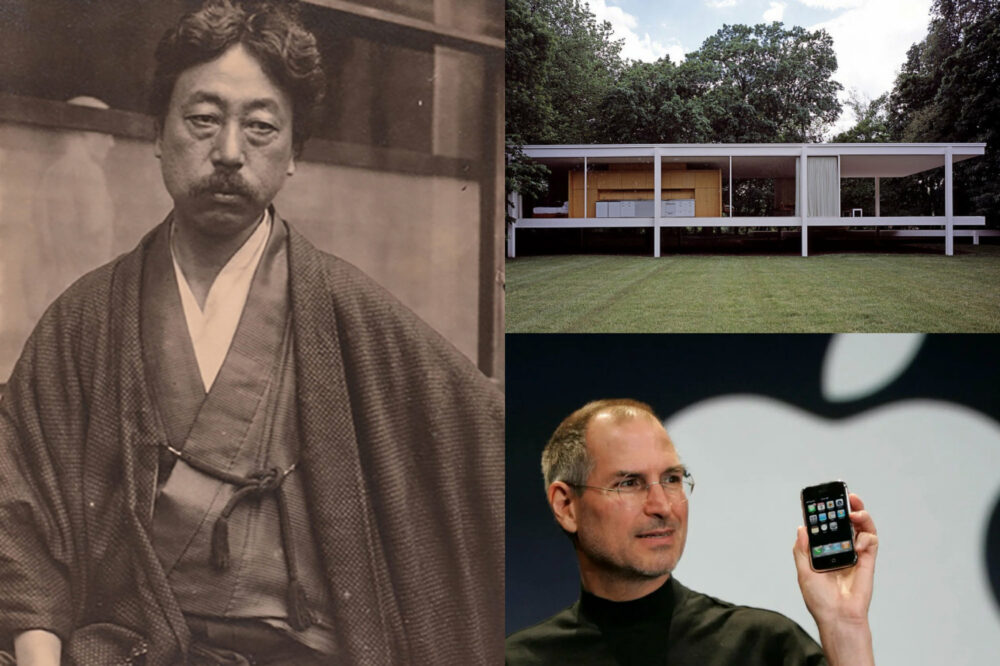
The Philosophy of Tenshin Okakura's "Cha-no-bon" -The Influence of Japanese Beauty Evangelists on Modern Design

In the series "Design History as a Curriculum of Shota SATO"
Our art director Sato will tell you “history that people involved in design want to know”.
The second theme is Tenshin Okakura, a missionary of beauty who introduced Japanese traditional aesthetics to the West.
This time, let's explore in detail his thoughts and the impact that he has had on future generations.
YouTube Please also take a look.
In his book “Cha no hon” (Book of Tea), Okakura Tenshin spread Japanese aesthetics to the West through tea ceremony, and this time we will look at how the idea of Okakura Tenshin influenced later designs such as Bauhaus and Apple.
Contents [ hidden display ]
What is Okakura Tenshin? Background of "Cha-no-bon"
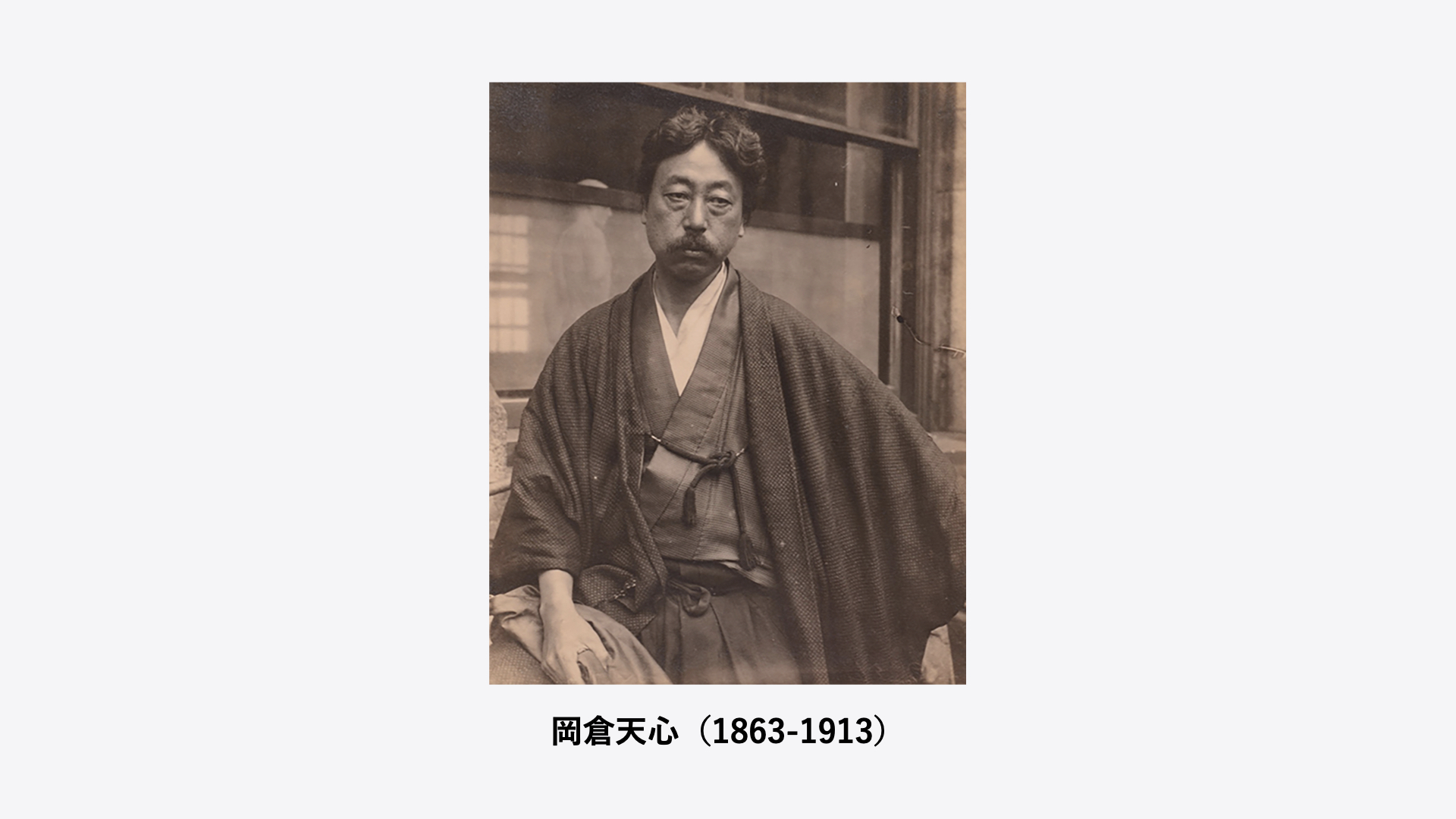
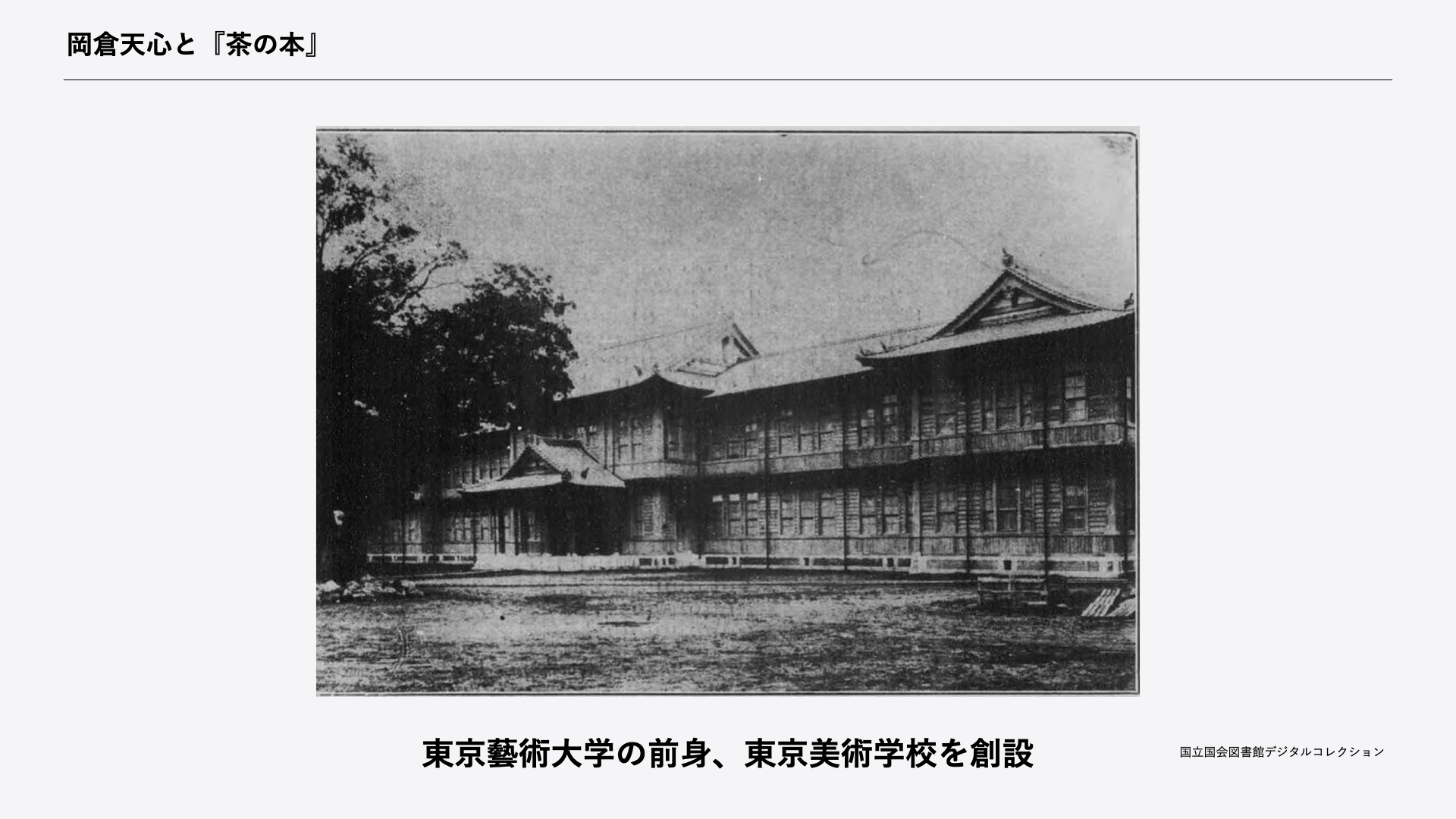
Born in Japan at the end of the Edo period, Tenshin Okakura is an art historian who worked hard to establish Tokyo School of Fine Arts (present-day Tokyo University of the Arts) and later served as head of Oriental Art Department at Boston Museum.
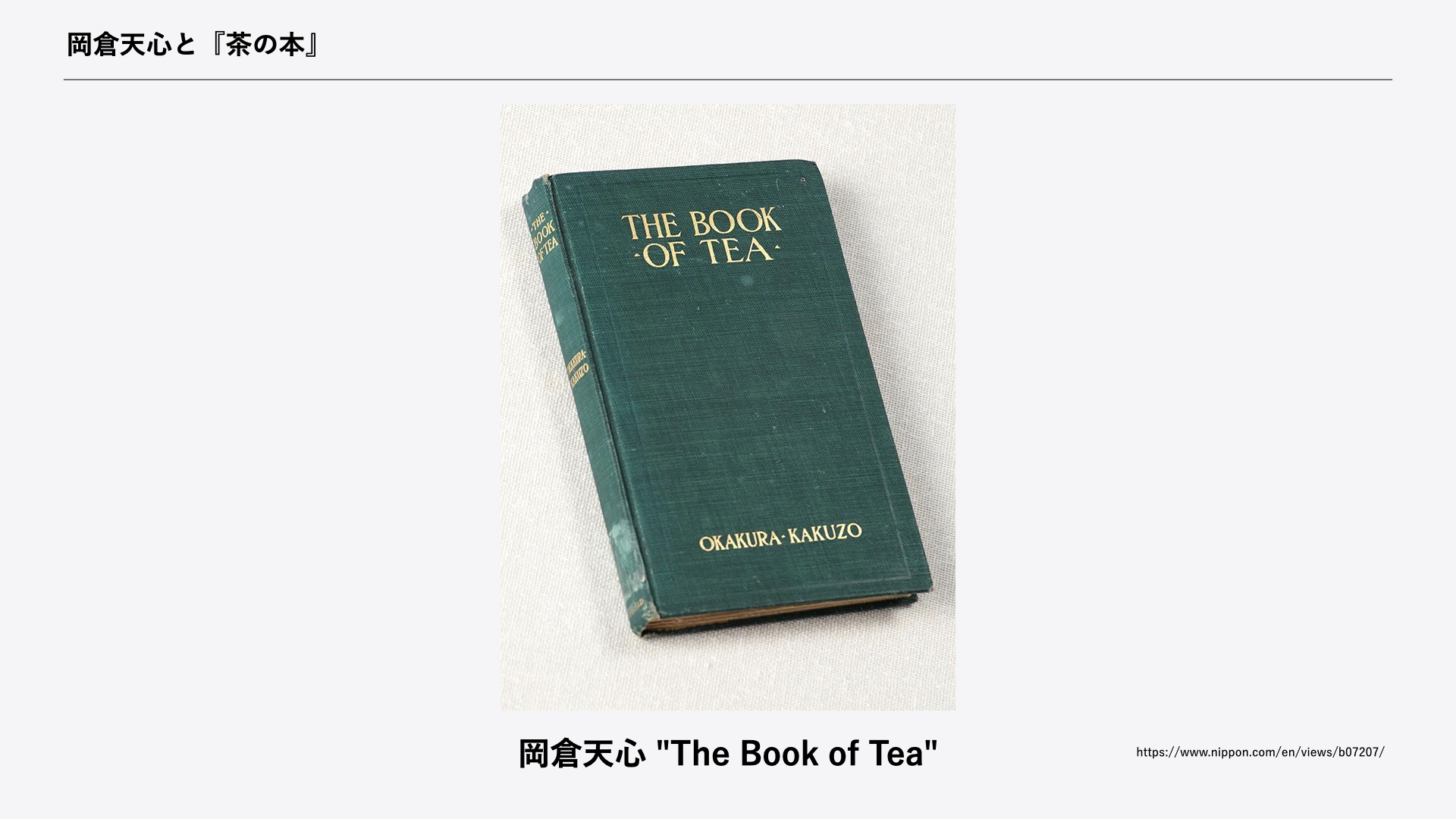
In Japan, where Westernization is rapidly progressing, Okakura strongly felt the need to preserve traditional beauty in Japan. In 1906 he wrote a book on tea in English to convey Japanese aesthetics to the West, and through tea ceremony he introduced unique Japanese values such as tranquility, simplicity, and harmony with nature. This idea would later affect Western designs like Bauhaus and Apple.
Effect of functional beauty on Bauhaus

The concept of “functional beauty” described by Tenshin Okakura in the book of tea is a concept that tea utensils have beauty based on their functions, and this idea that form follows function frees waste and creates natural beauty is deeply resonated with Bauhaus’s philosophy.
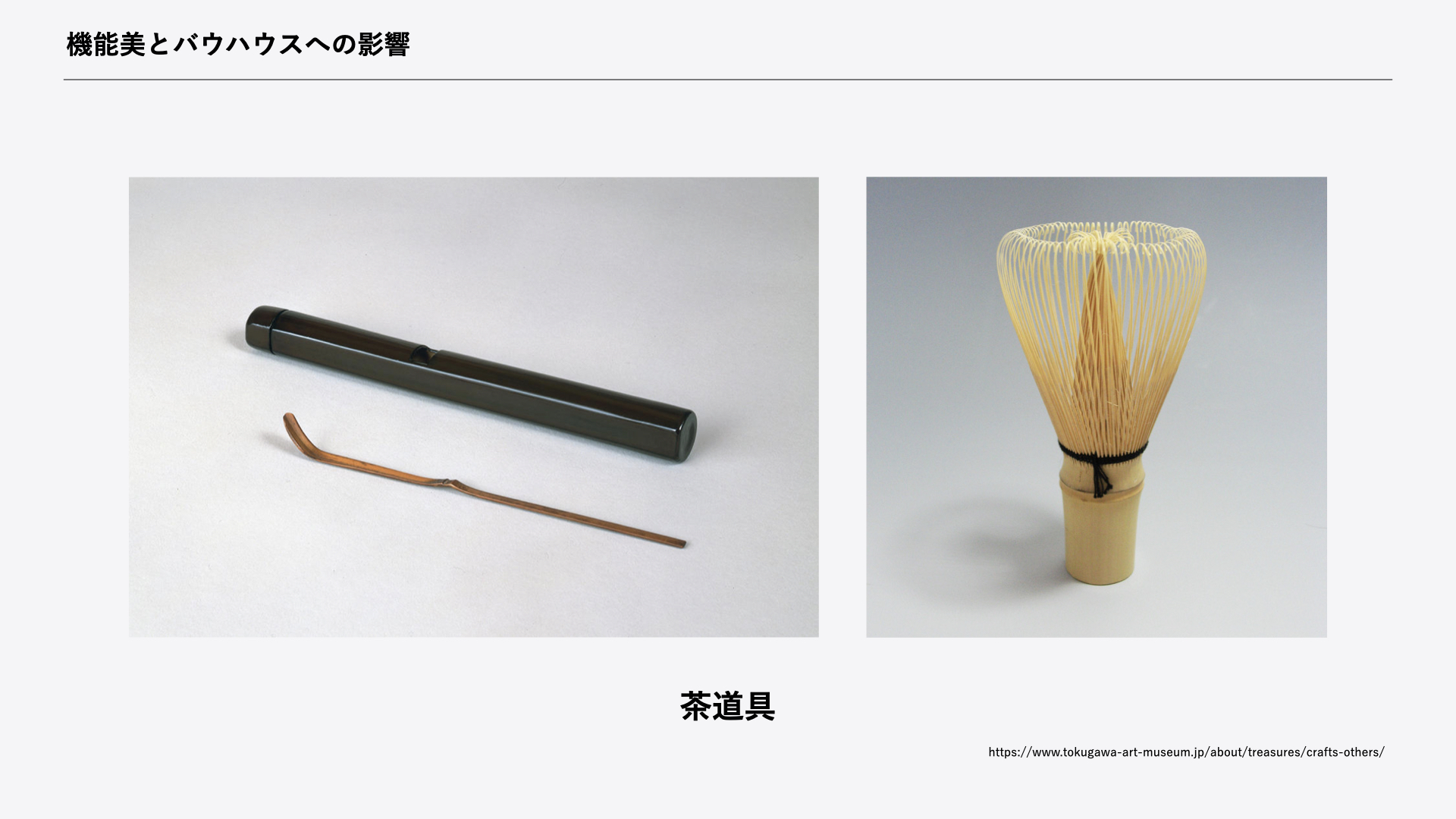
At Bauhaus, the design philosophy of “Form follow function” was the basis for the pursuit of simple designs that eliminated decorations and made them practical, in line with Okakura’s “functional beauty” seen in the design of tea utensils and tea rooms.
Example: Bauhaus Design
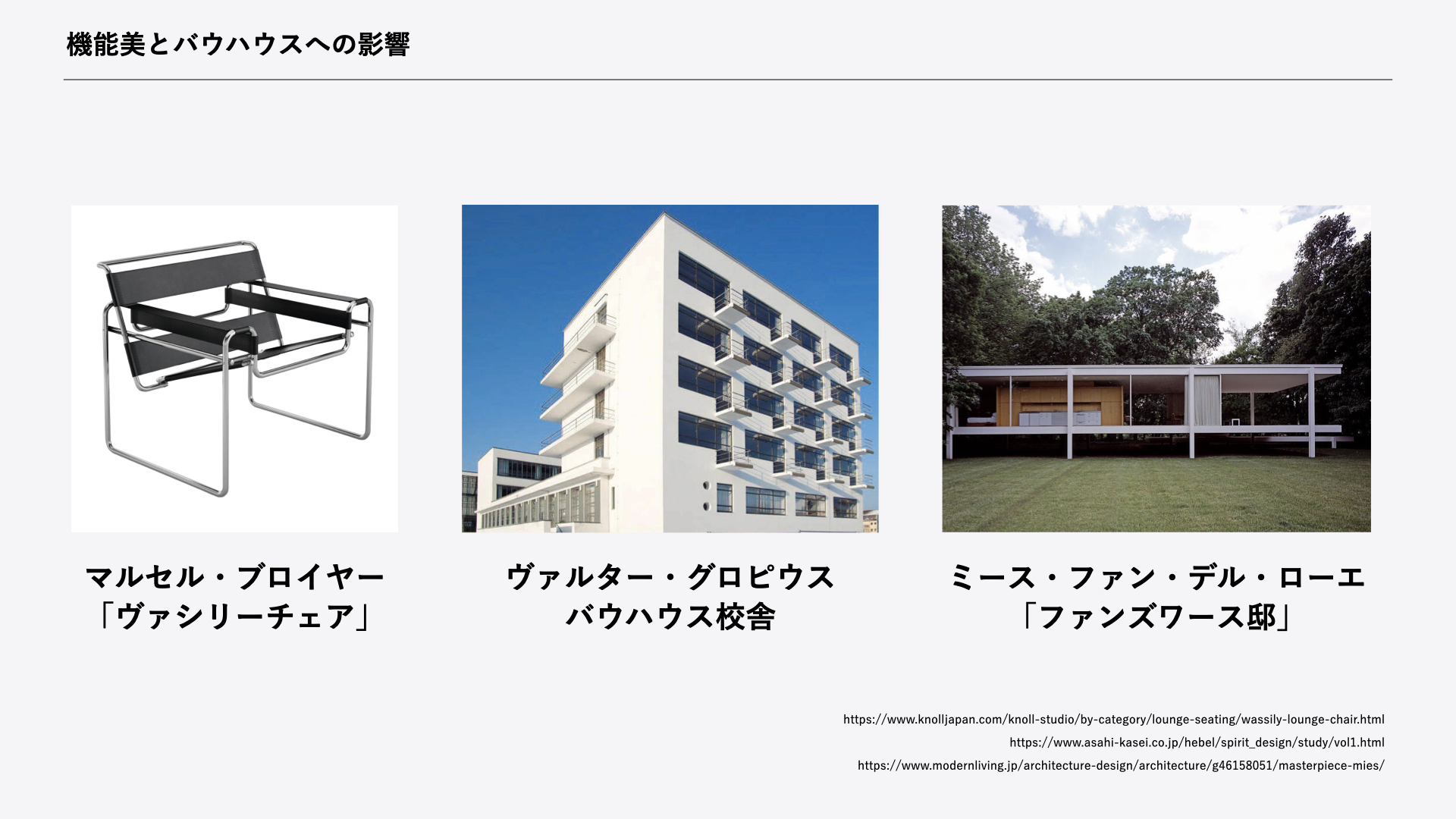
For example, Bauhaus designer Marcel Broyer’s Vasily Chair is a simple but functional design; and architect Mies van der Rohe’s words “Less is more” overlap with the simplicity of Okakura’s tea room.
Despair and the Impact on Steve Jobs
Another sense of beauty that Okakura Tenshin emphasized in the book "Cha no hon" is a unique Japanese aesthetic that finds beauty among imperfections and luster.
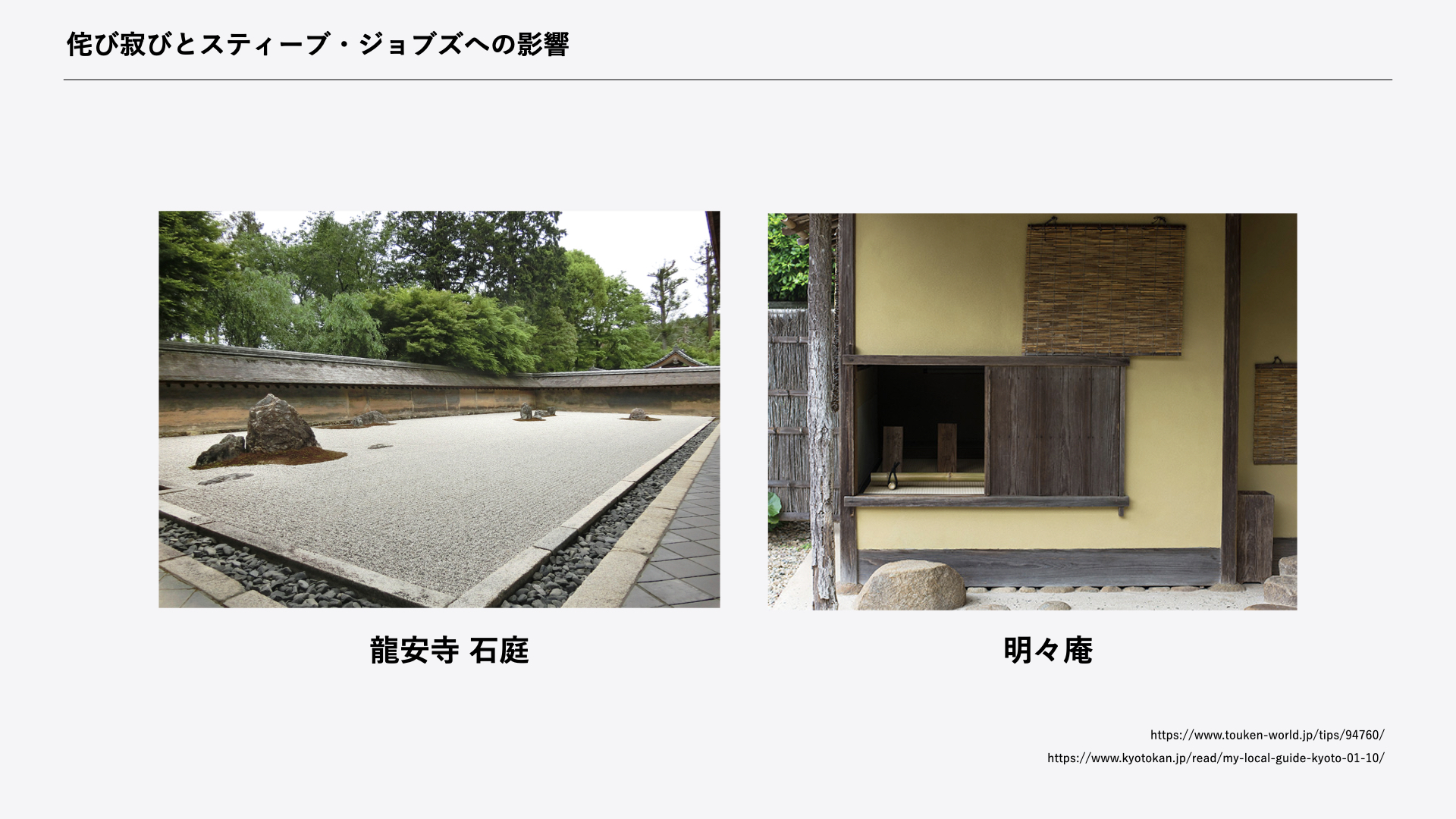
Apple's Steve Jobs is one of the people who was deeply influenced by this solitary spirit. He deeply touched on Zen and tea ceremony and reflected his simple, wasteful design philosophy in their products. The iPhone and Mac are creating beauty by eliminating waste and pursuing functionality -- exactly what Okakura calls "beauty that excretes decoration to bring out its essence."


Minimalism and its Influence on John Porson
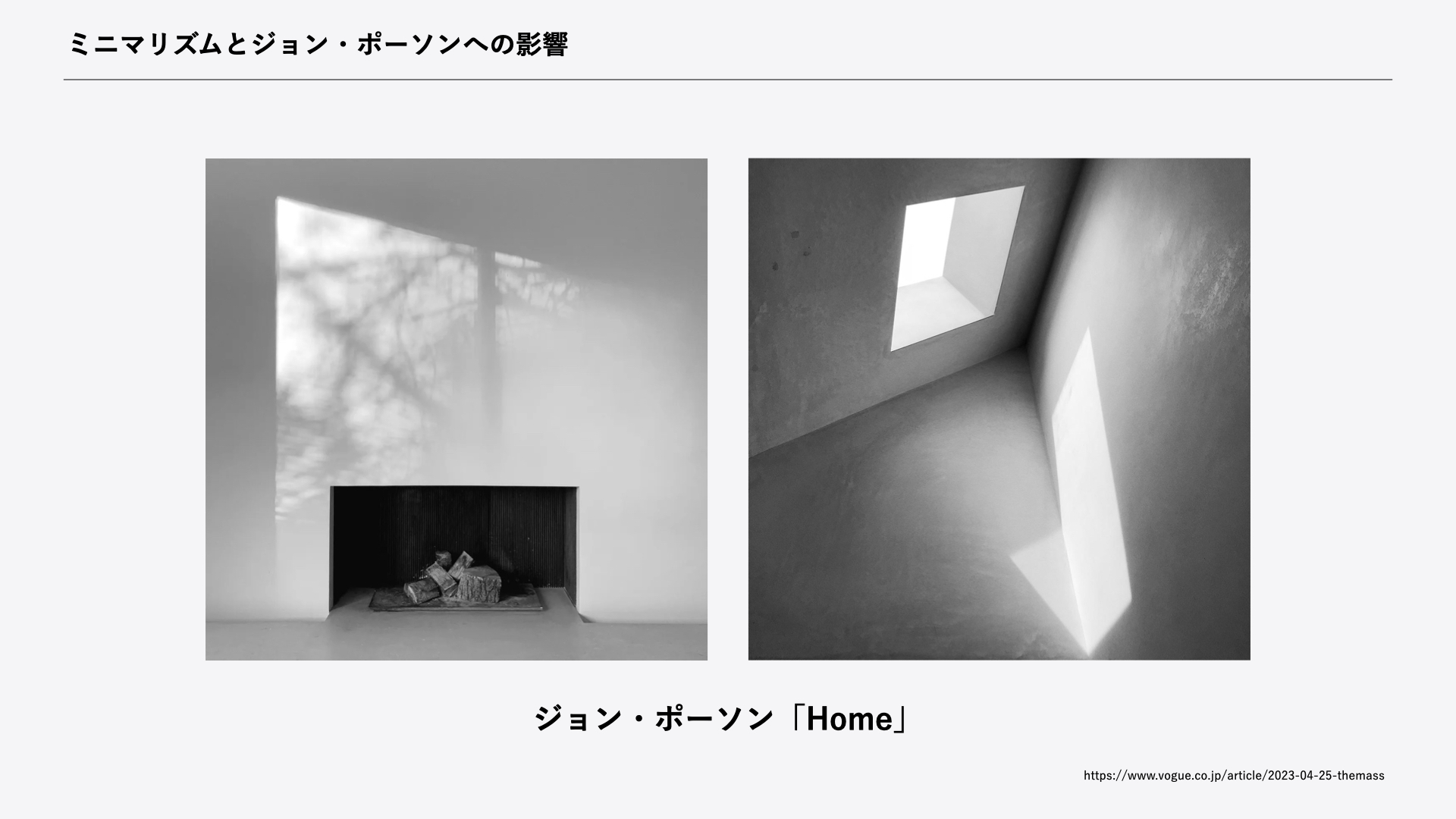
The tea room is a symbol of Japanese minimalism. In the book, Okakura Tenshin says that "tea rooms are a symbol of tranquility and harmony by eliminating all unnecessary decorations." This idea also influenced later minimalist movements and architect John Porson's design.
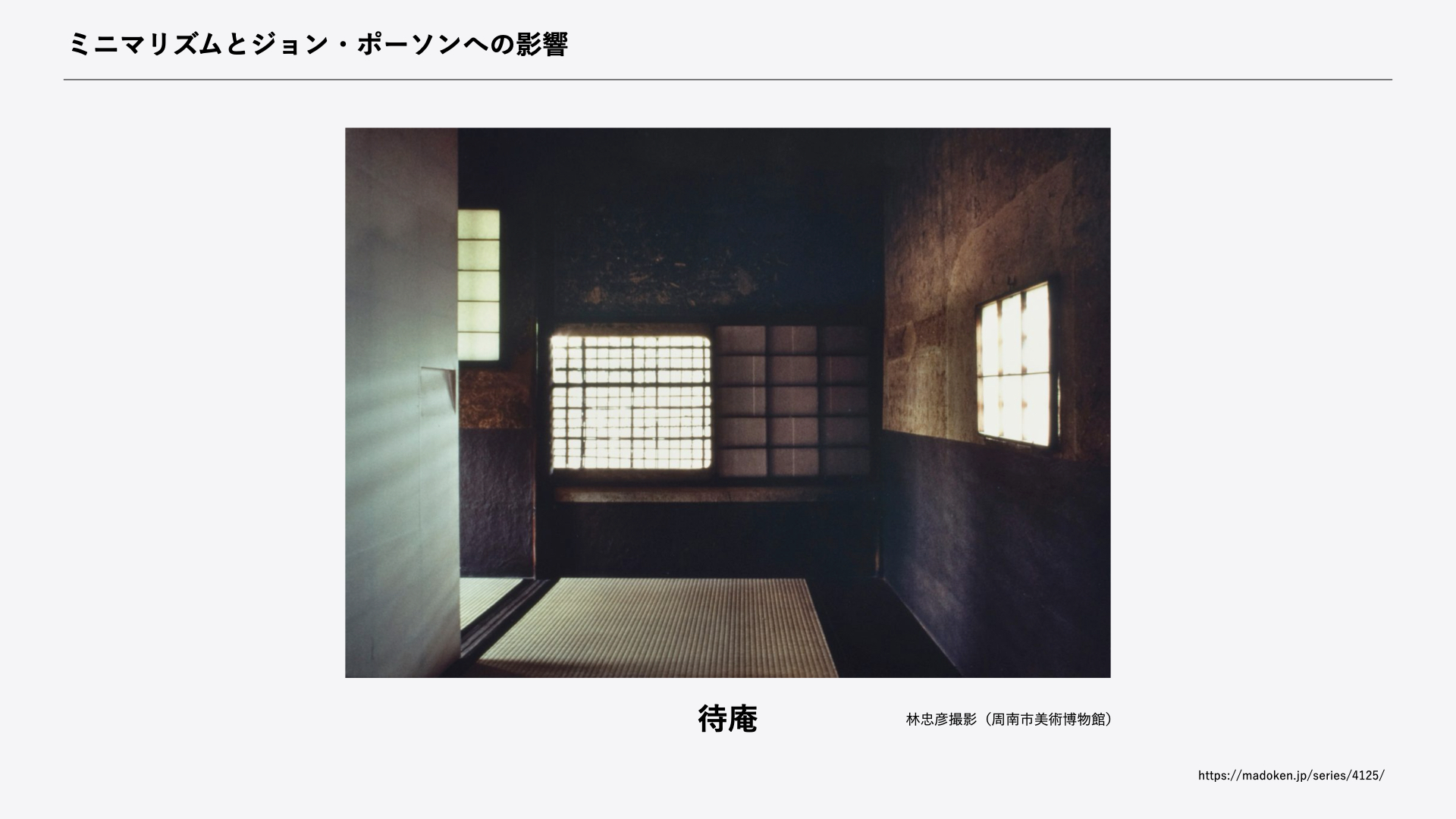
John Porson features a design that enhances the essence of things in space and minimizes decoration; his architectural works are simple and quiet, which is exactly what Okakura describes as an aesthetic in tea room designs.
fusion of East and West
Okakura Tenshin’s “Cha-no-book” has become a bridge between East and West aesthetics, and Western designers such as Bauhaus and Apple have brought new perspective to each other by incorporating Okakura’s ideas of tranquility, simplicity and functional beauty.
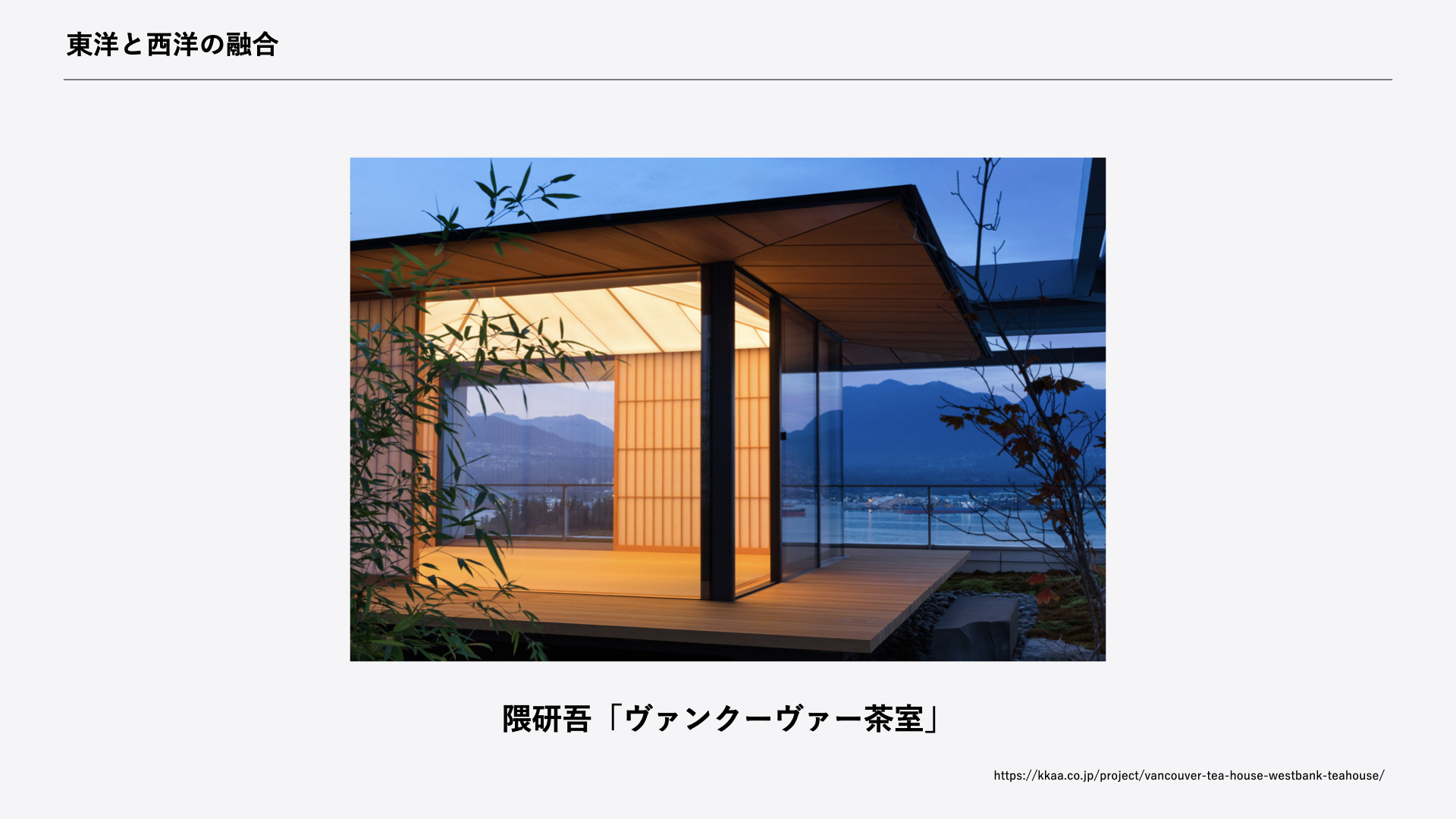
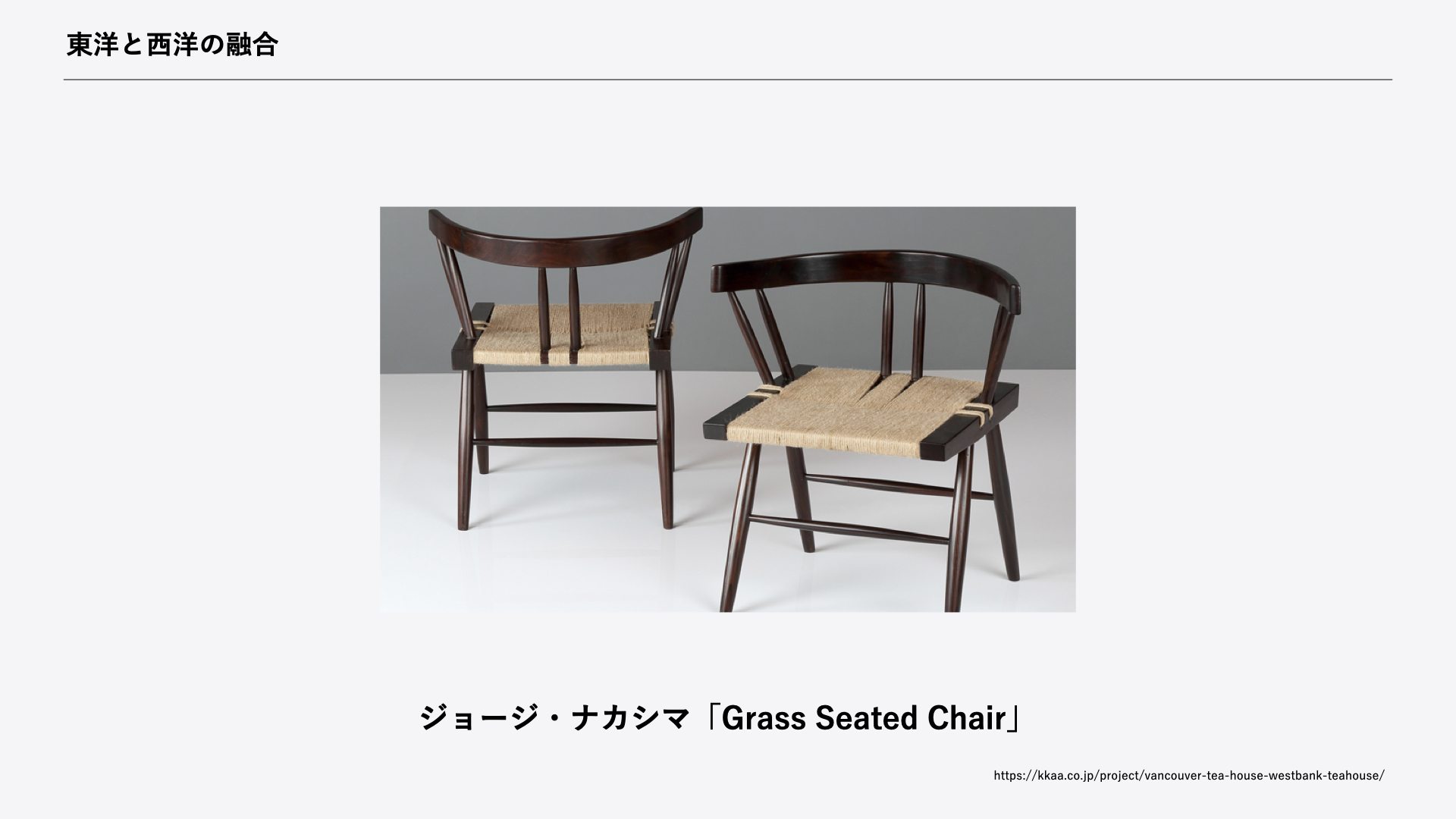
In addition, Okakura’s ideas have also been influenced by his architecture and the furniture design of George Nakashima. They combine natural materials with functional beauty to develop designs that incorporate elements of loneliness and minimalism. The aesthetics of Okakura Tenshin is certainly alive in modern design world.
Summary
Okakura Tenshin’s “Cha-no-book” conveyed Japanese aesthetics such as loneliness, minimalism and functional beauty to the West and had a significant impact on Bauhaus and Apple’s Steve Jobs. The aesthetics expressed through Japanese tea ceremony still plays an important role in the design of the world today.