Photography basics, Part 1: Aperture and shutter speed — The keys to blurred backgrounds

I would like to deliver “introduction to photography” that can learn the basics of photos and cameras over five times from today, such as “I have a SLR camera in my house but may not be able to use it at all,” or “I want to take pictures that cannot be expressed on smartphones.
The first one is about “aperture and shutter speed.” How can you take a deep picture of the background blurred? That important point: “aperture and shutter speed,” which I’ve heard before, but it’s recommended for beginners who don’t really know what to do! It starts right now!
Introduction to Photography and Contents
The first aperture and shutter speed.
The second exposure and white balance.
III. Lens Type and Perspective
The 4th Annual Meeting of the Japanese Society for Photography
5th "How to Choose a Camera"
Contents [ hidden display ]
camera structure
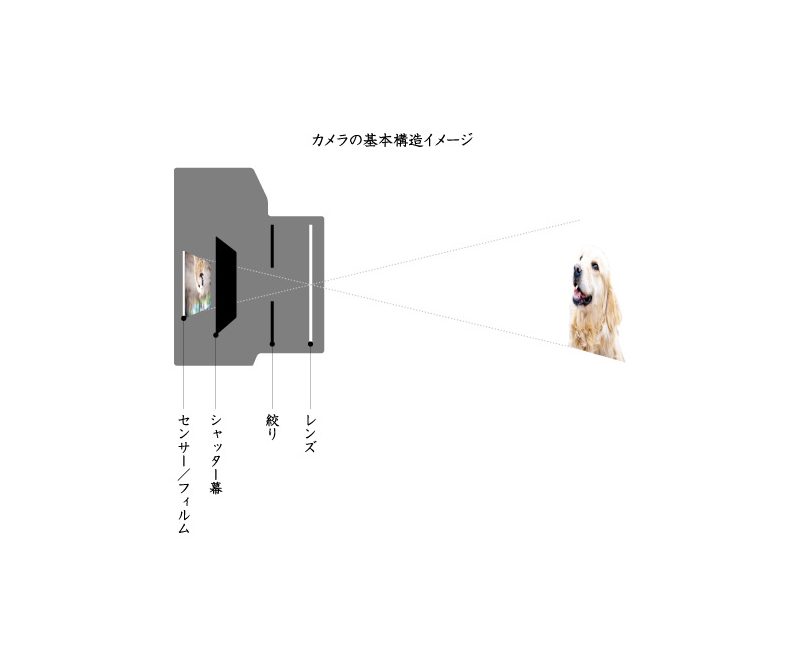
The basic structure of the camera that you need to know about when taking a photo is explained. As the term “dark box” implies, cameras are designed to capture light into dark boxes for an instant and fix it. Here’s how they image their actual structure:
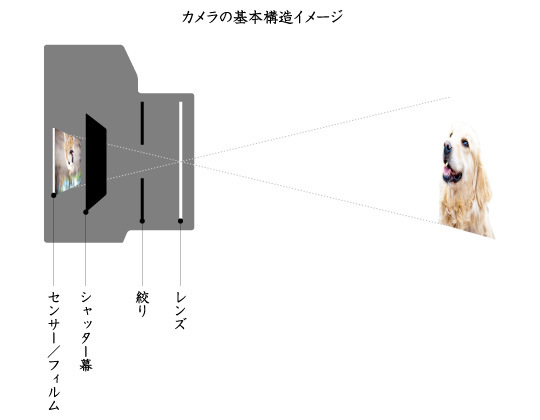
There’s a lens at the top of the camera, and behind it there is a throttle and shutter curtain; while the shutter light is usually closed, it opens for an instant only when the shutter is turned off, and the sensor in the back (in case of silver salt cameras) has a structure that captures light.
relationship between aperture and shutter speed
Next, I will explain "aperture" and "shutter speed".
Aperture" is to adjust the amount of light coming in from a sensor. When it opens up, many lights enter and if you narrow down only a little bit. Shutter speed refers to the time when the shutter is opened.
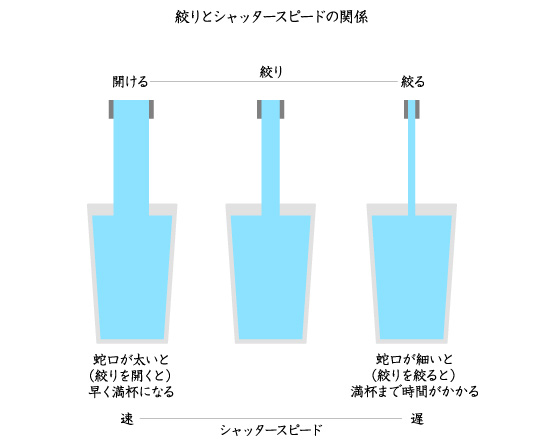
Let’s look at these two relationships in the example of storing water from a tap to a cup.
A full cup represents a good amount of light, the state in which it is incorporated into the sensor.
If you first open a large aperture (left of the figure), the cup will be quickly full, so in order to make it just good light, you need to speed up the shutter speed; conversely, if you narrow down the aperture (right of the picture) it takes time until the glass is full and therefore slows down the shutter speed.
If you look at this, you can see that the shutter speed is shortest when the aperture is open to maximum.
aperture role
Apertures not only control the amount of light coming into a sensor, but also adjust blurring other than the focus part.. Let’s look at an example how photos change depending on the number (F value) of the aperture.
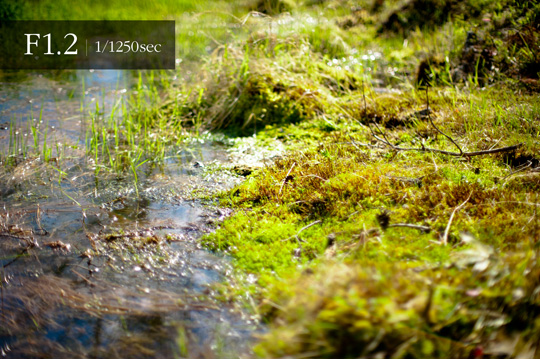
F1.2| Shutter Speed 1/1250 sec
In this example, the aperture value (F-value) in which the aperture is open to the maximum is F1.2. The F-value indicates the opening of the aperture, but it narrows down as this number increases. That means that the faucet becomes thinner. I think you can see that this photograph taken with F1.2 is big blurring both forward and backward except in the middle where there is focus.
* The state of opening the aperture to its maximum is called open.
* The F value of opening varies depending on the lens.
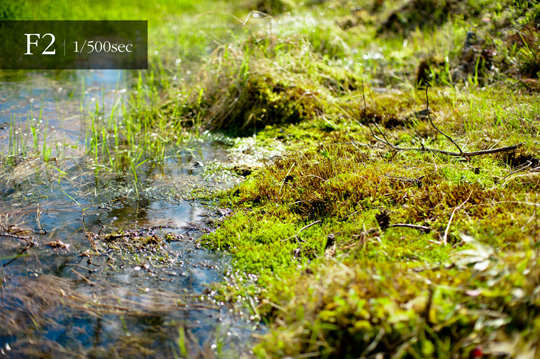
f2| Shutter speed 1/500 seconds
You can see that the area where there is a little more focus than F1.2 is wide.
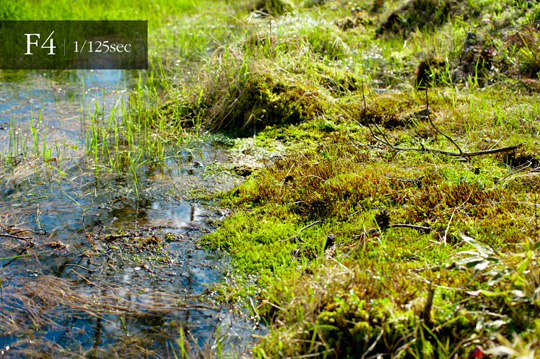
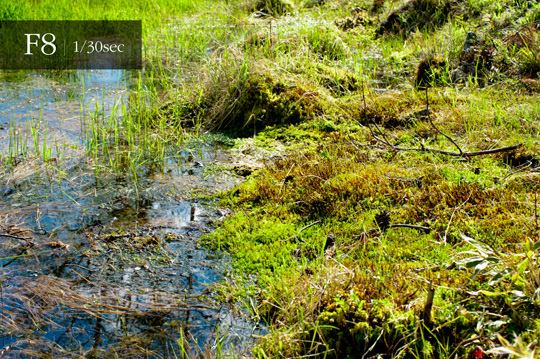
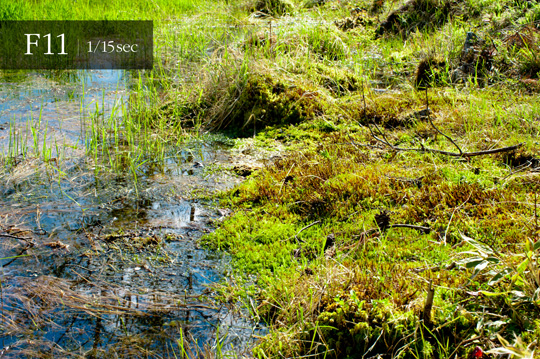
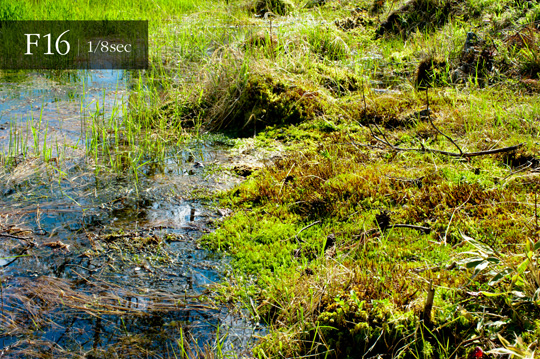
F4-F16| Shutter speeds: 1/125 to 1/8 seconds
As the number of apertures increases, you can see that the range where focus is gradually increasing. On the other hand, you will notice that shutter speed for an aperture has become slower as it narrows down; in the same place we take pictures at the same brightness so you can see how the aperture changes the shutter speed.
overexposed and underexposure
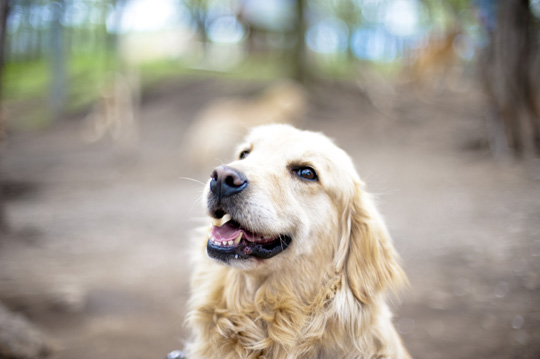
2 aperture, the shutter speed was 1/1250 seconds, but I will explain what would happen if this number of shutter speed is wrong.
proper exposure
First of all, it is a picture of the combination of proper aperture and shutter speed when the cups are just full.
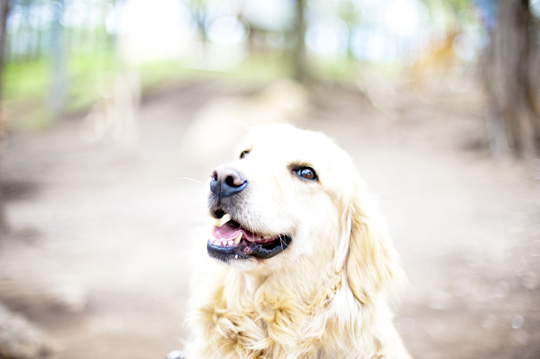
overexposure
The overexposure is a state where the water in the cups has been overflowing, so that you can see it flying white.
exposure under
Exposure under is a condition in which the faucet was closed before it became full, as shown in this picture.
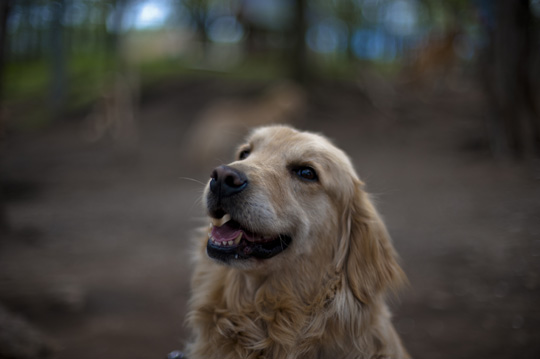
The camera usually adjusts the combination of aperture and shutter speed so that it can be properly exposed depending on the brightness of the subject, and if its adjustment goes crazy at some point, it will become photos like above (exposure over, exposure under).
shutter speed expression
Next, we will see what expression can be expressed by changing the shutter speed.
As the shutter speed slows down, you can see that the flow of water is gradually flickering and becoming like a line; in this way, if you take moving things, it will change depending on the shutter speed.
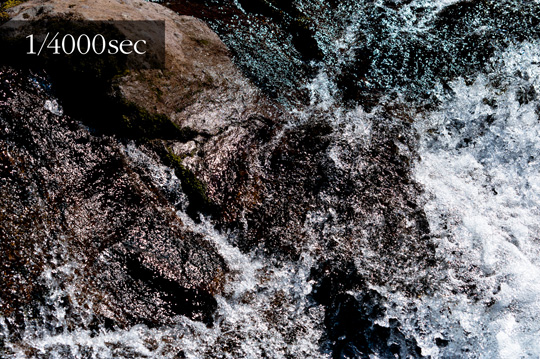
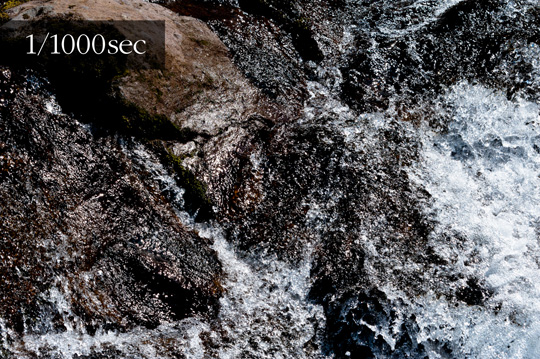
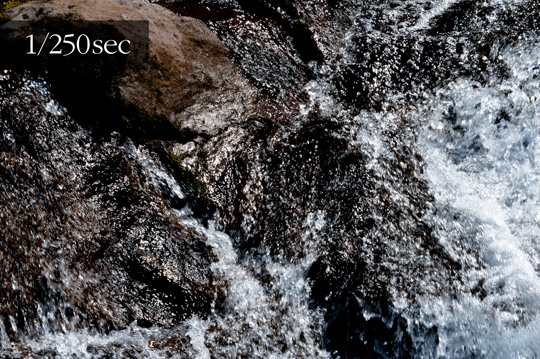
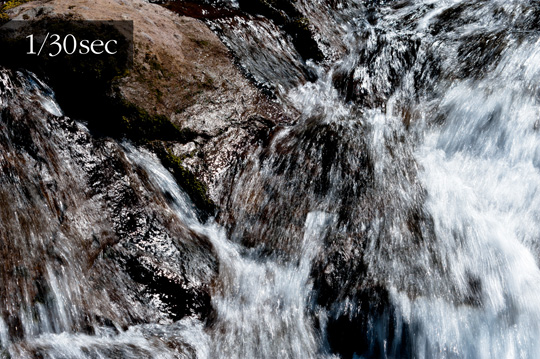
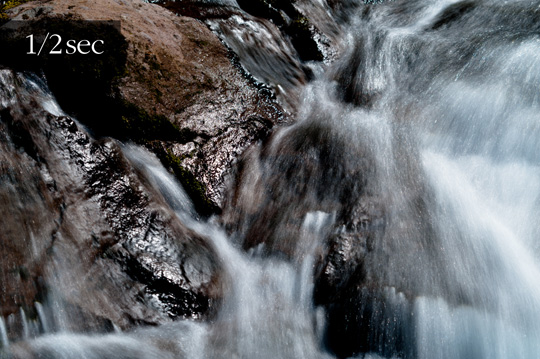
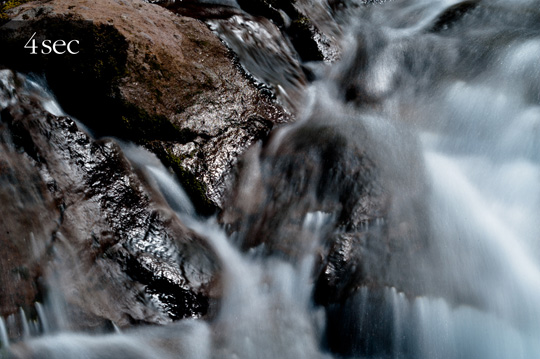
example of how to express
By adjusting the shutter speed, you can also take pictures like this.
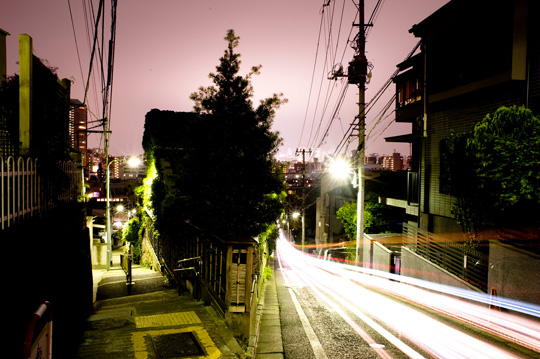
This is the work of art director Sato. euphoria of the band album This photo was taken in the sunshine of a car that opened its shutter for two minutes right after sunset. The light from the headlights is projected on lines of light, so you can adjust your shutter speed to create an invisible world.
METHOD FOR SETTING ARITHM AND SHRAW SPEED
In terms of how you set the aperture and shutter speed on your real camera, most cameras probably have dials that switch between shooting modes. Modes like “AUTO” or “P” automatically set the aperture and shutter speed for the camera, if you want to adjust them yourself, use the following mode:
A (or Av): aperture priority mode
With this mode, you can set your favorite F value and the camera will automatically set the shutter speed to match that F value; in other words, if you decide how much you want to make a blur (F value setting), you just leave the shutter speed to the camera.
* The range of F values that can be set may also be limited by the brightness of the subject.
S (or Tv): shutter speed priority mode
With this mode, you can set your own shutter speed and the camera will automatically adjust the aperture so that it is properly exposed accordingly.
* The range of shutter speed that can be set may also be limited by the brightness of the subject.
This is the first time you've ever seen a photo, and if you look at an example of how things change depending on what number you set. But for starters it might be best to fiddle with your camera and experience them all by yourself.
Introducing the second photo is “Exposure and White Balance”, next time I want to learn basic knowledge, but also introduce how to utilize exposure and white balance!