Designing Relationships That Connect Smiles, Part 2: Ways of Thinking That Help Everyone Involved Be Happy

< last time it's a continuation.
Learning from Creative Director Hiroki Sakai Designing how to engage people with smiles Today, we learn the important points of thinking that make people happy when they move things.
1. Make everyone involved in
"When you try to do your job, the performance will go down. For the time being we'll make it better for everyone. 'What do you think? You can try from 1 to 10 yourself and get a great view right now. Isn't this the best job I have ever done? It's a success experience of your own. Even if that person is not doing everything. (Laughter)
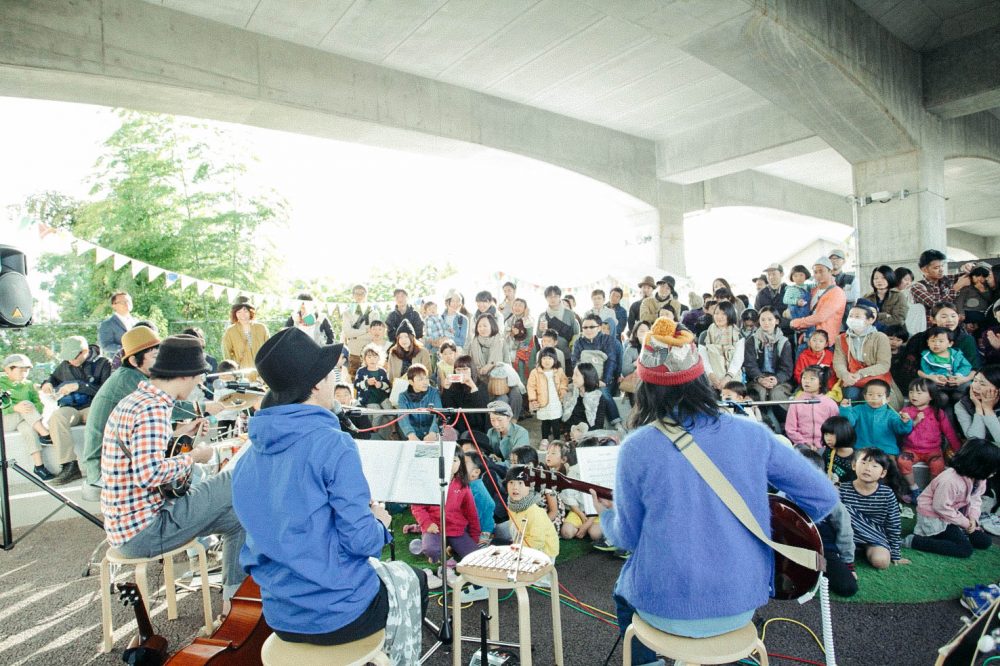
Sakai says that he originally wanted to stand at the center of the stage like a vocal and become the most prominent person. He thought it was the easiest-to-understand centripetal power as a top creator, but gradually he felt more interesting to look at the energy gathered throughout him, and now he is getting away from the stage.
Instead of pushing yourself through as a creator, you can look at the people involved in it with jealousy. In some ways, by giving up on it from your own, you may be able to gaze calmly at the relationship between someone and another person or see how more objective things move in a better direction.
2. Self-sacrifice is not a plus for both you and the other.
This lesson was taught by a partner of Rewrite, Inc. , the company that Sakai co-founded.
"I realized that self-sacrifice wasn't more positive than I thought. In the design industry, we were asked to deliver it well and then fix it a little bit, but in my past I was doing it. It took less than an hour.
But in the end, 'I wish you could do that too!' and they don't feel bad or good. That means they are not really partners who care about each other. They don't want extra work to be done, but they can become situations where they can't draw out their involvement."
After not sacrificing oneself, the relationship of trust with clients deepened and it is said that I feel that work has come to be properly done.
The way in which people who are involved in a project, including themselves, make everyone happy is the so-called three-way thinking. In order to achieve that, it may be necessary for them to first realize that compassion and self-sacrifice aren’t equal.
3. Don’t make a relationship that only you can benefit from.
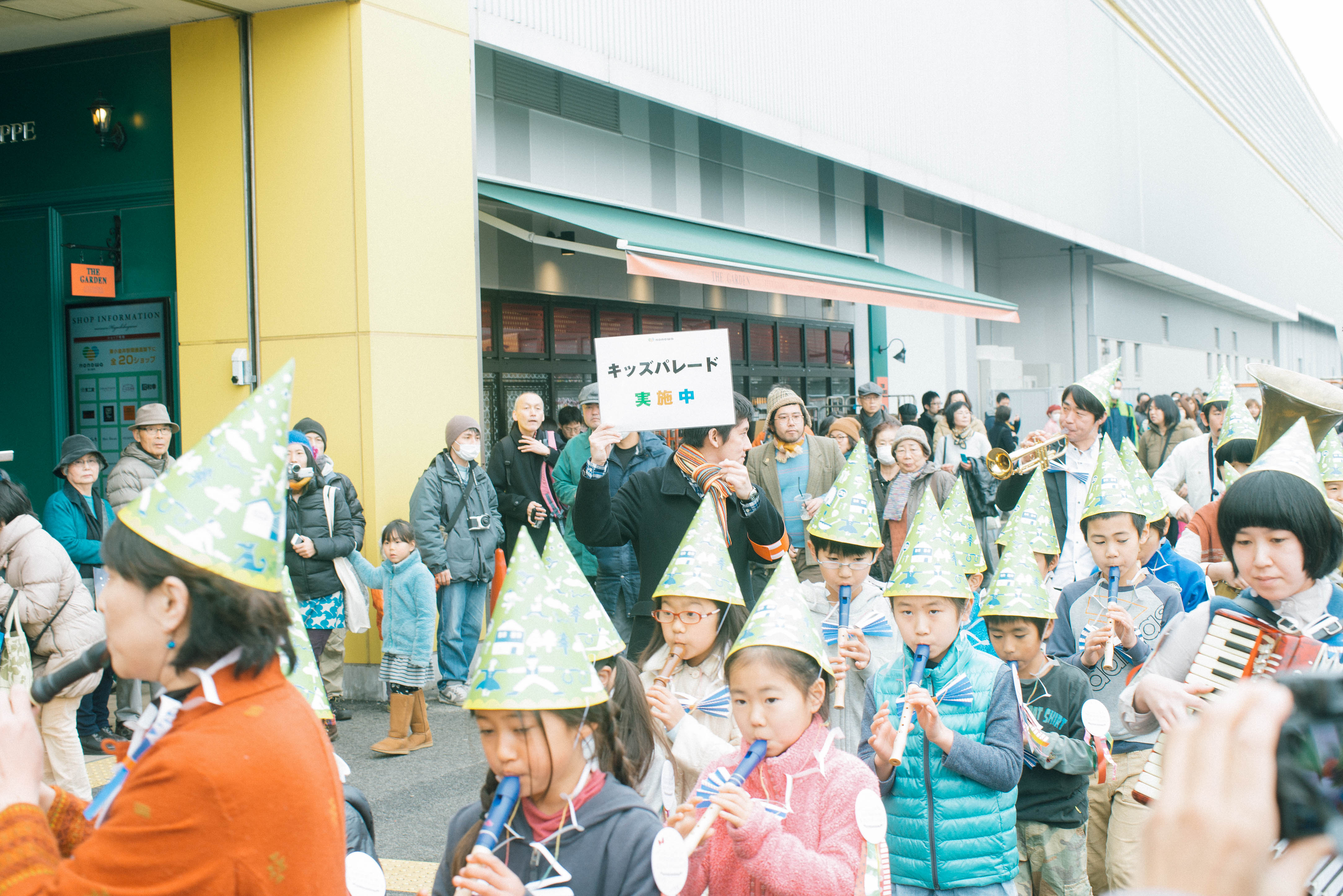
Mr. Sakai says that he has many opportunities to hire volunteers as he holds events and works on projects to create places, but what is important at the time They don't make bolandias that are only used as free labor, which means they try not to have relationships with each other.
"For example, at this event I will ask students to volunteer and instead I'll give them two free classes. With the theme of art management, students can go out and learn by learning logic before helping with events."
Mr. Sakai explained with a laugh, "I'm taking great care of how to balance what I did and what I can do," and told me that even if there are people who have wonderful ideas or visions and want to keep up with them, instead of making it easy to use their thoughts, they will open the way for sustainable projects by creating relationships where you can feel the benefits of each other.

The point that Mr. Sakai taught me is all about being able to feel a sense of cleanliness, and being involved with people can't avoid having their interests entangled or conflicted with each other's values, but I think they teach us the perspective that makes them purify cloudy water.
Tomorrow, you will be able to tell us the points of communication that can be practiced in situations where people are involved.
< follow >