
An introduction to effectuation: Managing a business in uncertain times — Part 2

In the second part of "Introduction to Effect to Survive Uncertain Ages," we will introduce five laws of effect with examples.
if you haven't seen the first one yet here
youtube here
Contents [ hidden display ]
Effects: Five Principles
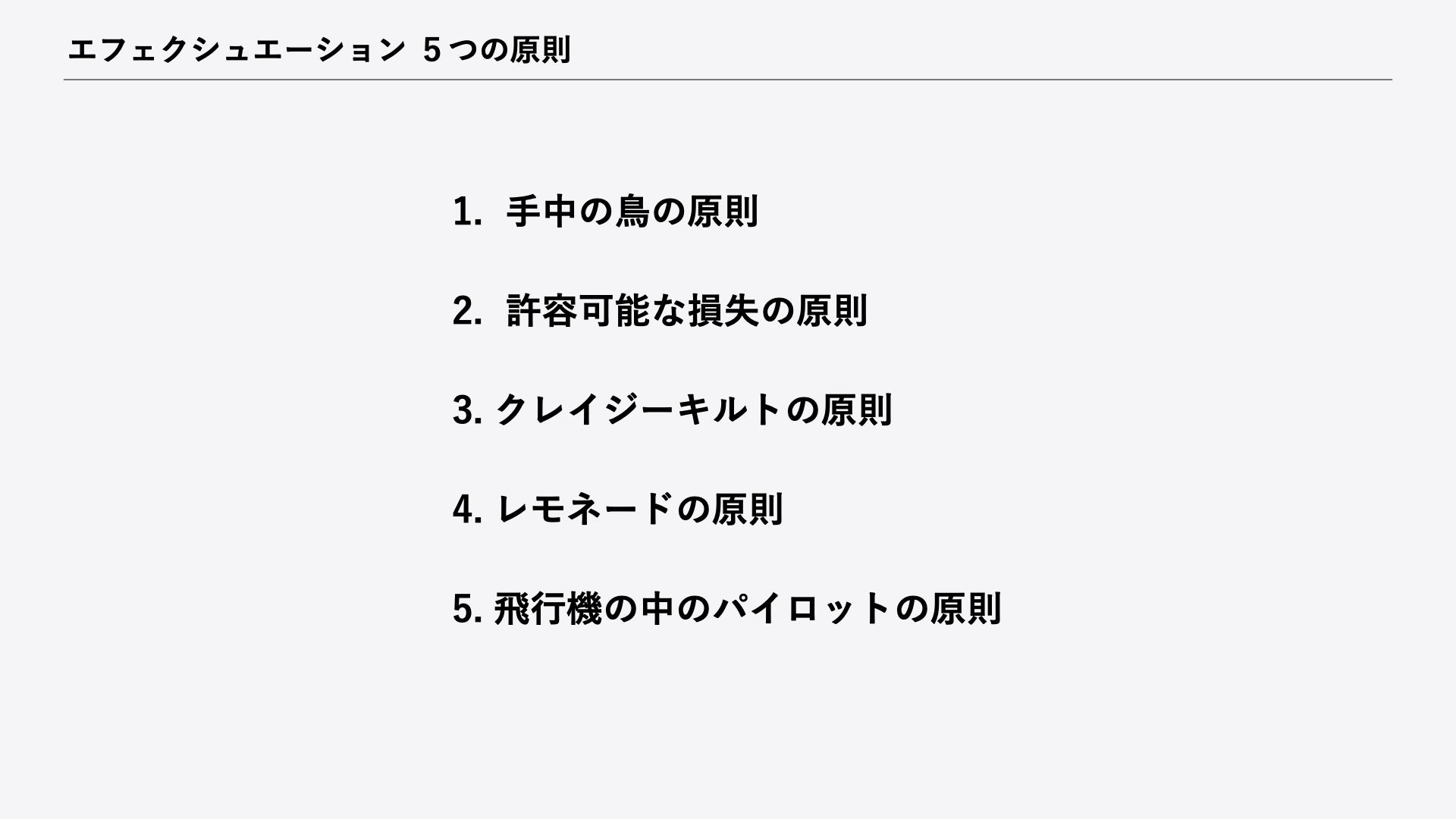
There are five principles in effection.
principle of a bird in hand
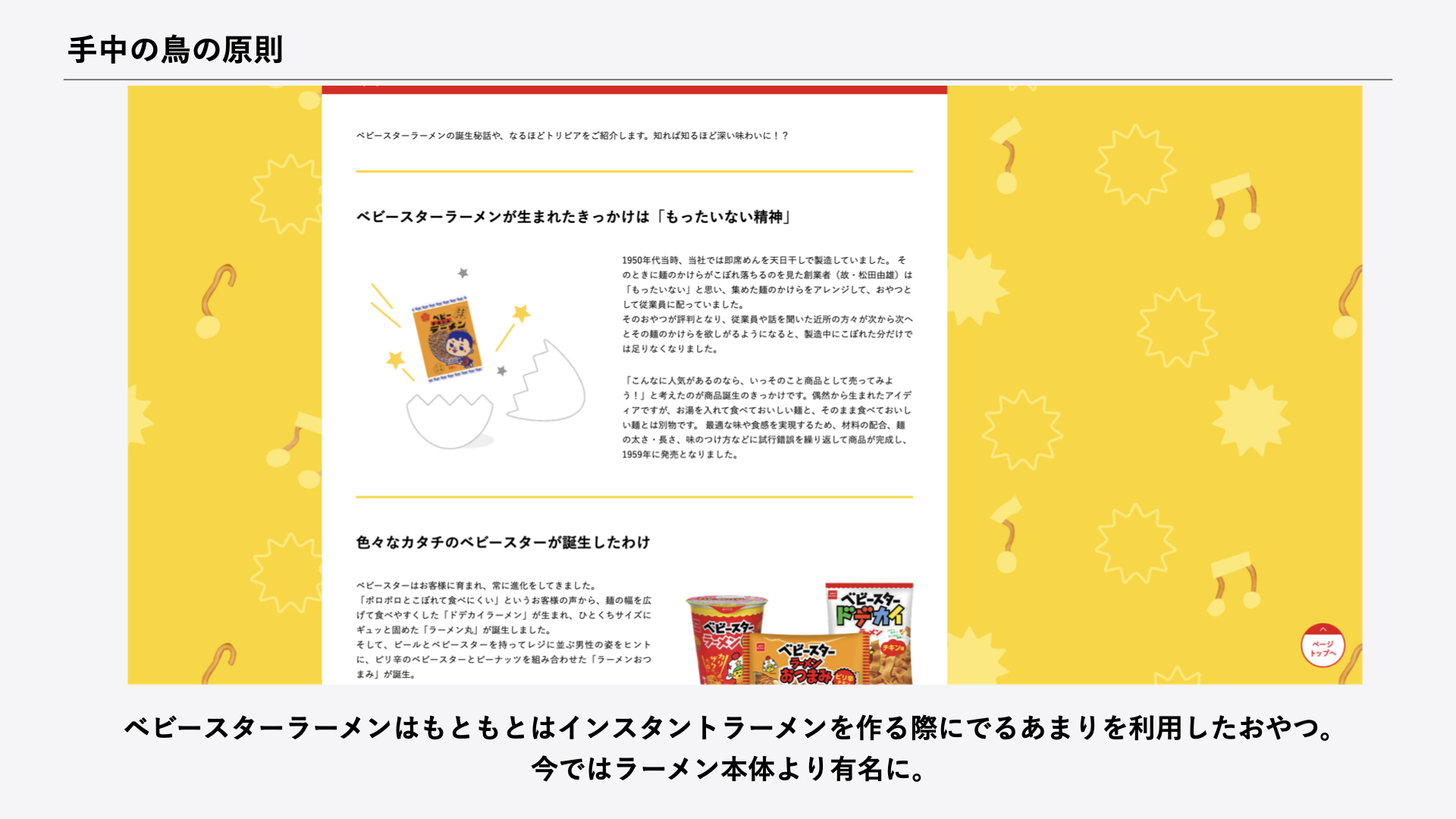
The first "principle of birds in hand" is the idea that it creates value from what you already have.
For example, baby star ramen is a product born out of the "mottain spirit" that uses instant ramen "so much", and as a result it became not only more famous than original ramen but also a hit product which no one knows in Japan.
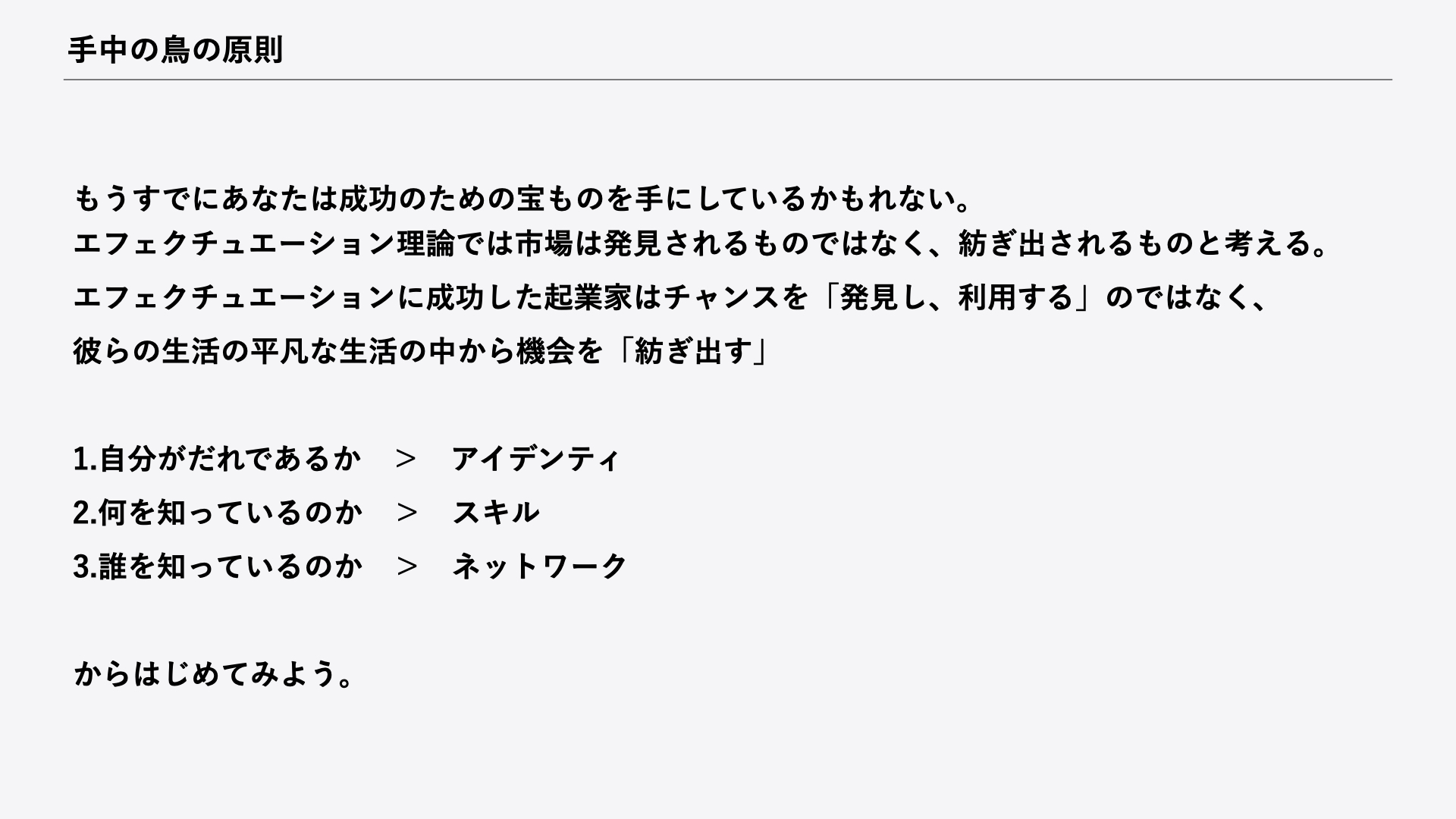
A treasure for success may be sleeping in what you’re throwing away as trash, even if you don’t go somewhere to find it; there are times when a market is spun up instead of discovering the market.
Let’s start by reconsidering what we are, what we want to value, what kind of skills we want to acquire, and how our friends can be combined with each other.
principle of acceptable loss
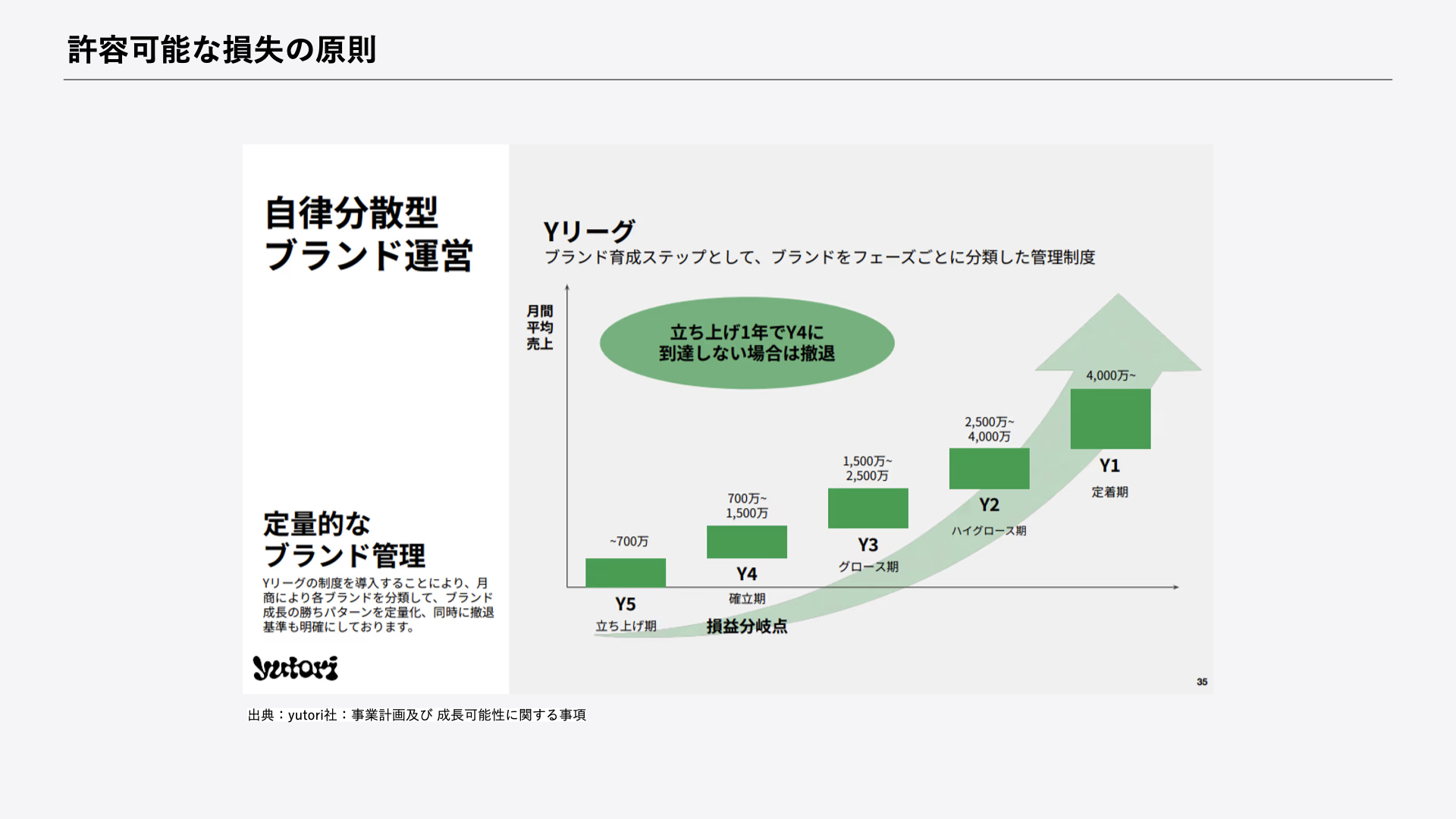
The second "acceptable loss principle" is the rule that when you start something, let's decide on a cut line in advance.
If you push into the clouds without imagining the possibility of ending, it will not be a courageous challenge but is described as valiant; failure can lead to inflated debt and worsening relationships with friends or partners.
When you actually talk to an entrepreneur or a manager, many people say that it is more difficult to finish than start and this is a difficult idea to implement.
An example I would like to introduce is yutori’s Y-League, a system for developing many young apparel brands. While new brands are born every year, there is a mechanism that eliminates the brand if it does not sell up to 7 million yen in one year. Risk management where one failure cannot end all is very important for company management.
principle of lemonade
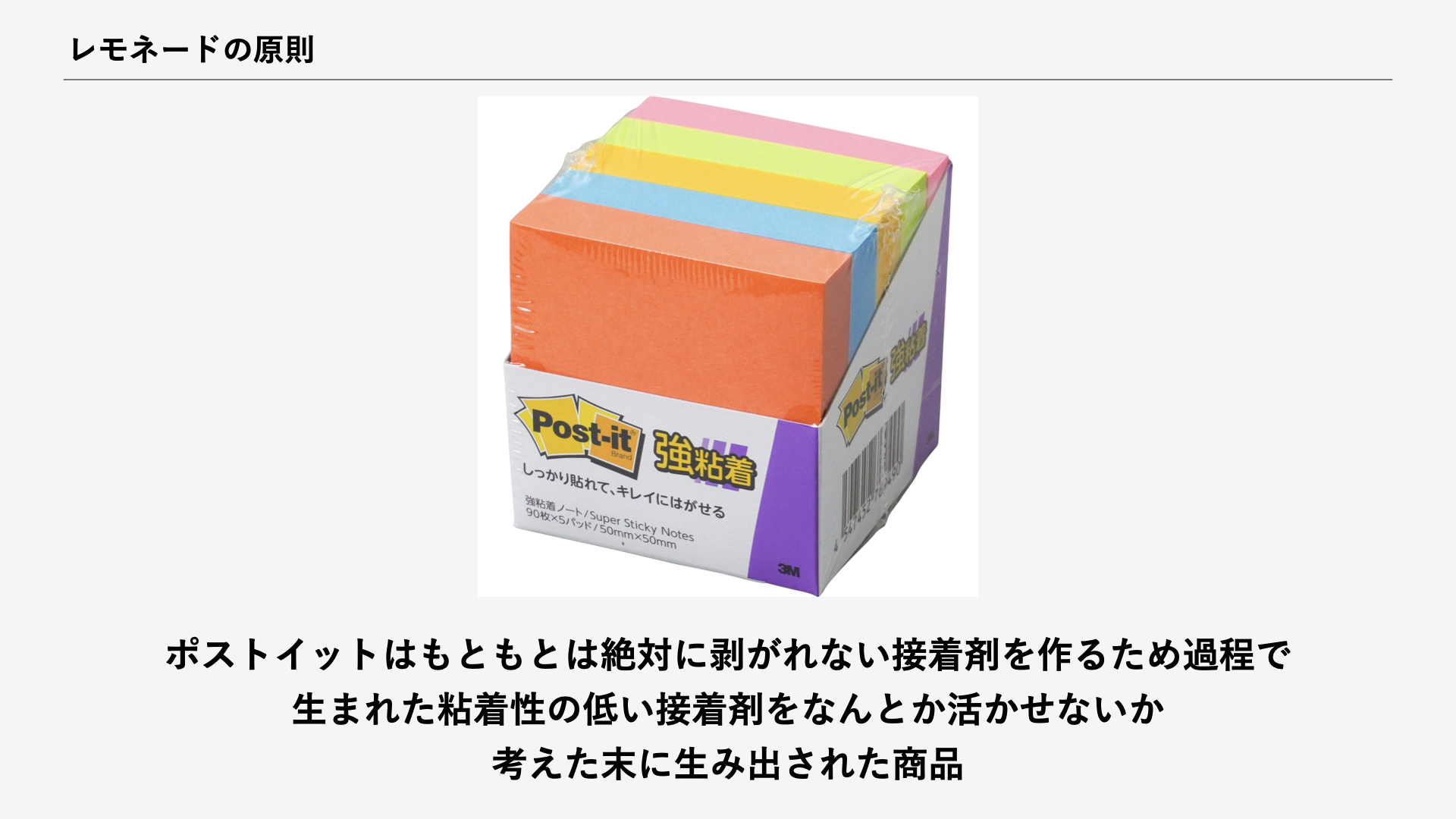
The third principle of lemonade is derived from the American proverb "Make lemonade out of lemon", which means that you can sweeten and make sour lemons into lemonade.
A typical example is Post-It, which was born because it changed its weakness to its advantage that “it’s easy to peel off” thinking about how to make use of adhesives with low adhesive strength.
crazy quest principle
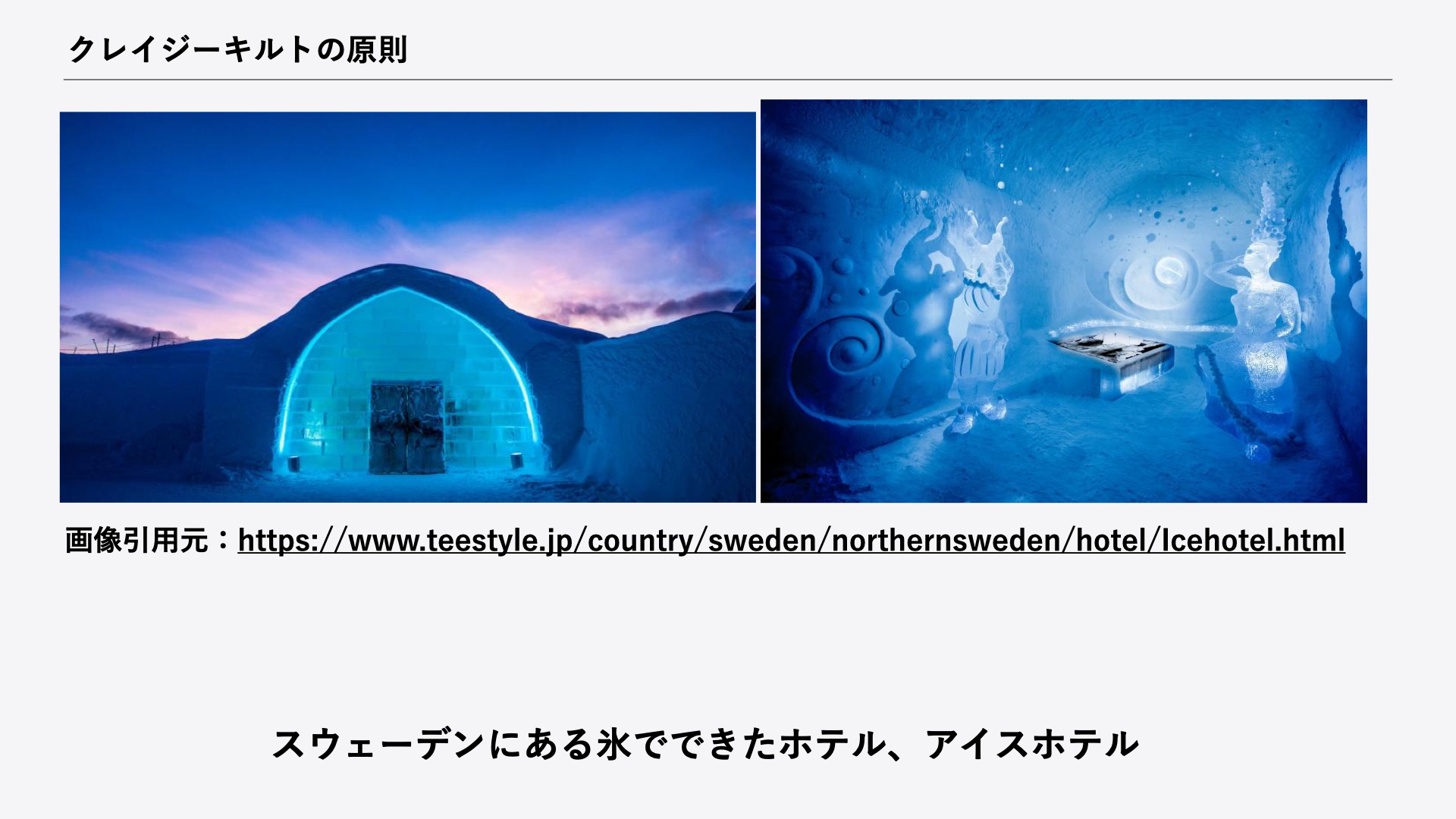 The fourth principle of crazy quests is to spin people as if they were quilts. One example is a Swedish ice hotel, famous for its entire building being made from ice. It's now a very popular spot, but it wasn't actually created because we wanted to make it out of the box. Founders have originally been rafting business and tried to create an art festival like Sapporo Snow Festival that improves sales in winter. But when rain last day caused objects to collapse, they decided to change something into participatory ice workshops.
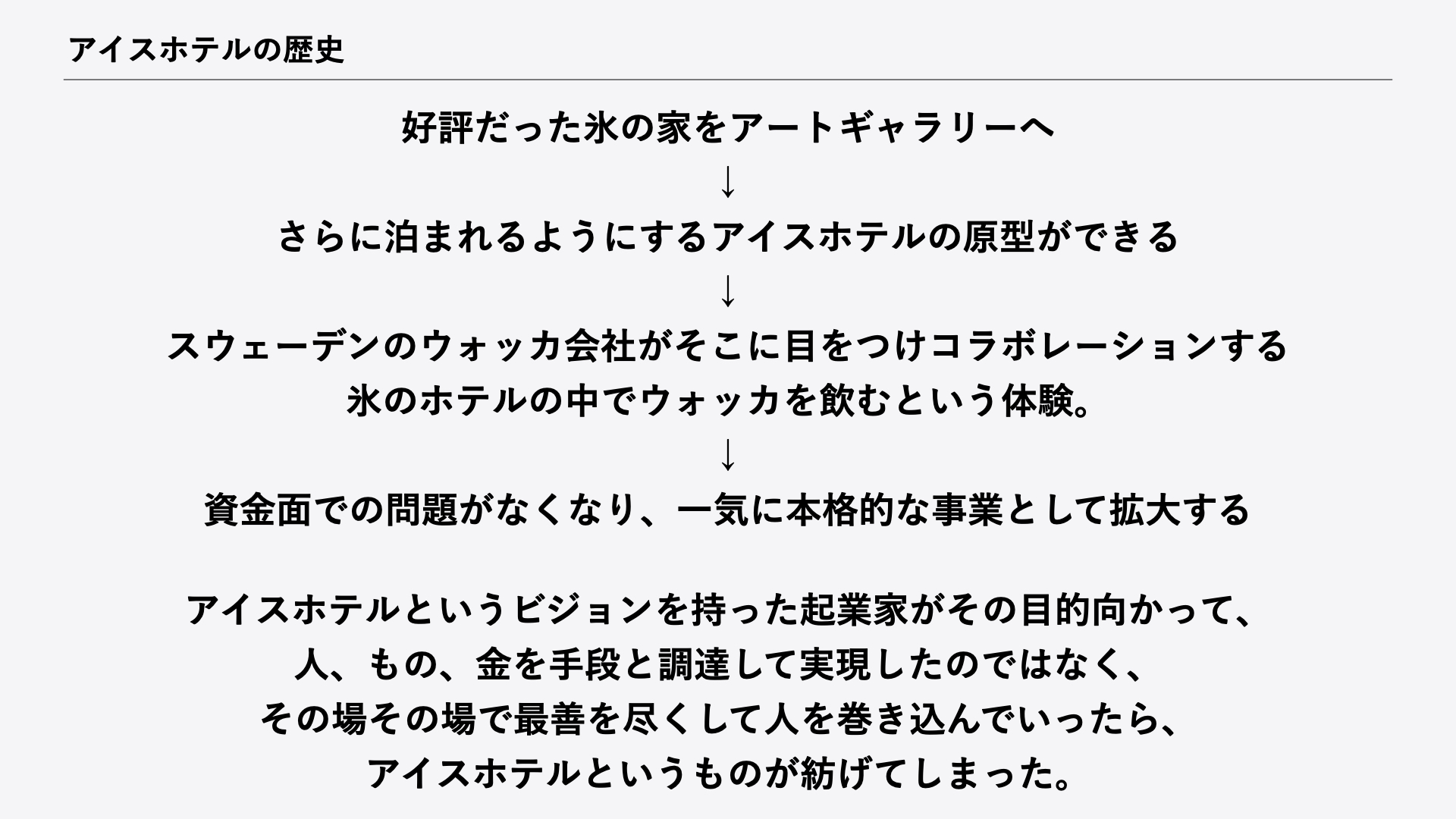 The well-received ice house opened as an art gallery instead of the same day, and then turned into a winter hotel because demand for accommodation in nearby areas increased. It became even more popular and asked vodka companies to collaborate on it. With big companies turning back into all-season enjoyable forms and no longer having financial problems, they expanded their business at once. Instead of having visionary entrepreneurs procure and realize them as a means of people, goods and money, they began to do their best right away, and Ice Hotel was spun up.
pilot principle in an airplane
The fifth and final idea, the pilot principle in a plane, is to focus on dealing with uncertainty rather than doing it as planned.
Airplane pilots have the power to flexibly change or land routes against bad weather and danger, while complying with their flight plans; those who aren’t too obsessed with doing it perfectly can avoid danger and lead to success as a result.
Here, I will introduce you to one word.
God, give us the power to quietly accept things that cannot be changed.
the courage to change what needs to be changed
And give them the wiseness to distinguish between what they cannot and should.
Niebuhr prayer
It's hard to change reality = other people or society. Management is not only successful, but also in bad weather times. Even then it's important that you focus on the parts of your own control and respond flexibly. You can say that "realistic idealists" are suitable for management rather than idealists who deny reality within your own ideals and actual reality.
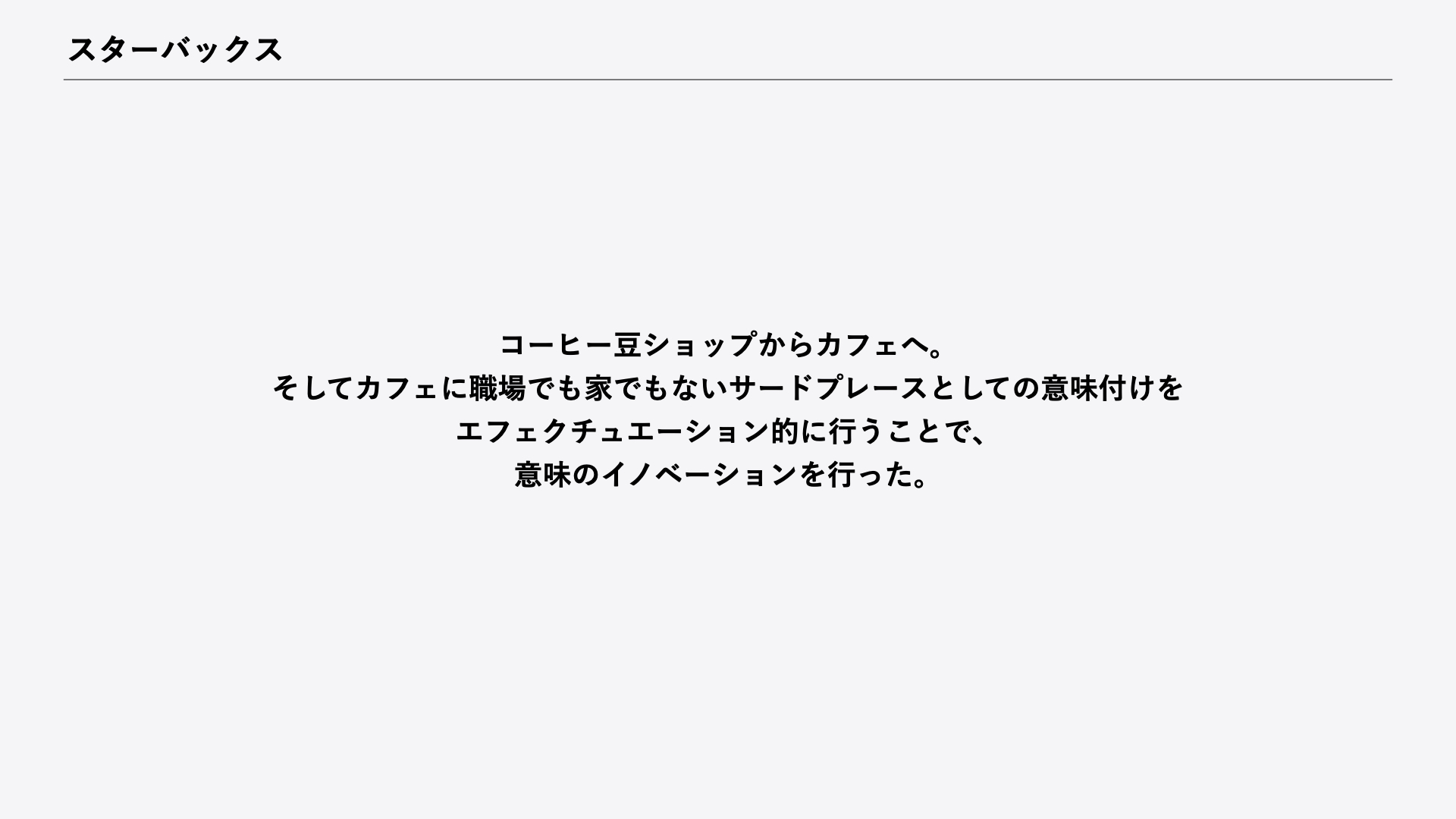 Here are five principles of effect. You can see that the mystery behind Starbucks’ success in the first part is its existence: from coffee bean shops to cafes, and by making sense of it as a third place where you aren't at work or home.
Summary
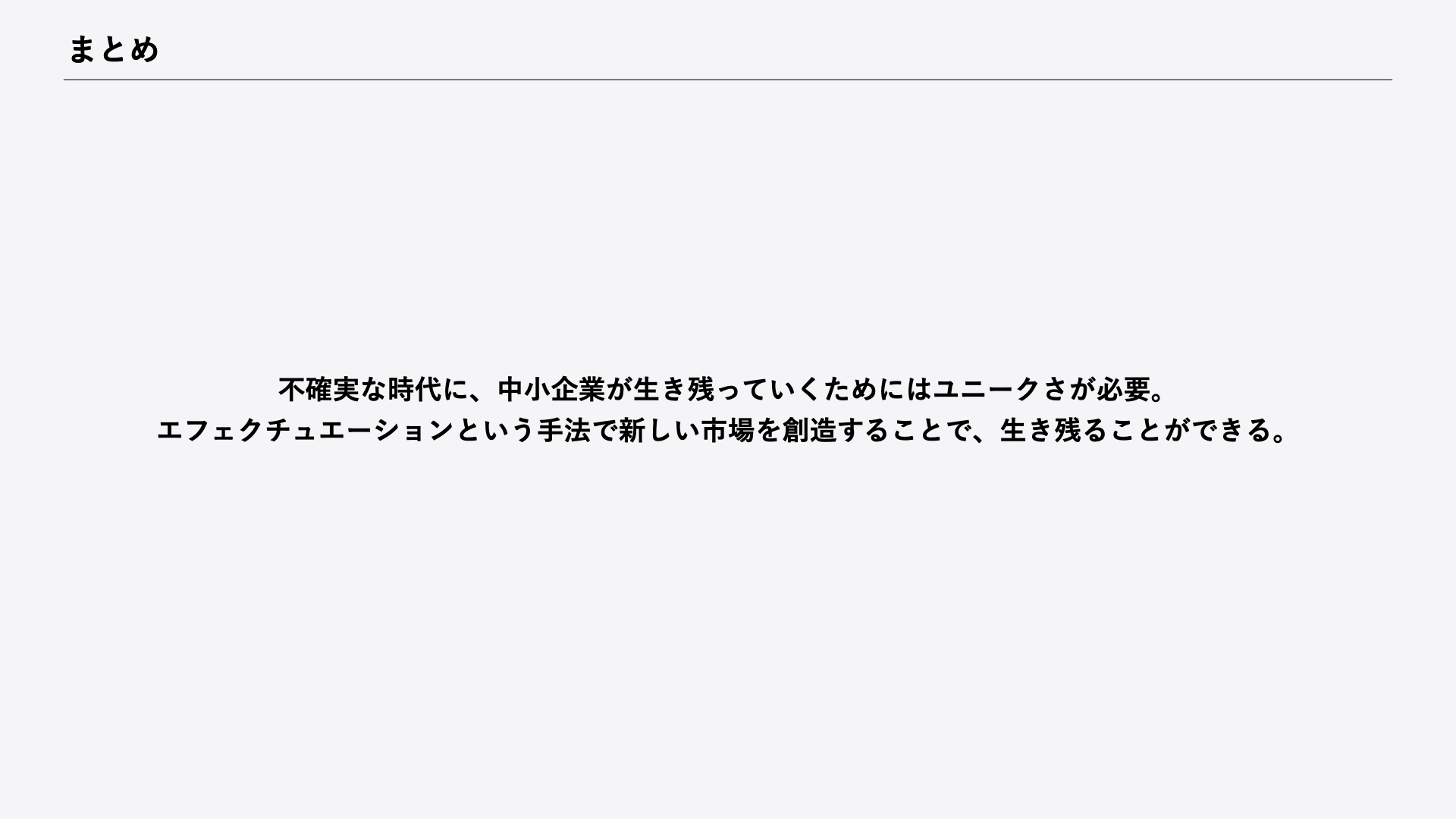
In an uncertain age of rapid change, “uniqueness” is necessary for small and medium-sized enterprises to survive.
Large companies can fight with capital based on huge capital, but small and medium-sized enterprises or startups don’t do so. I wonder if they will be able to survive by knowing the method of effection and creating new markets.
I hope that those who read this article will use the theory introduced and help create services or products that have never been seen before.